Pieces of Crossbones
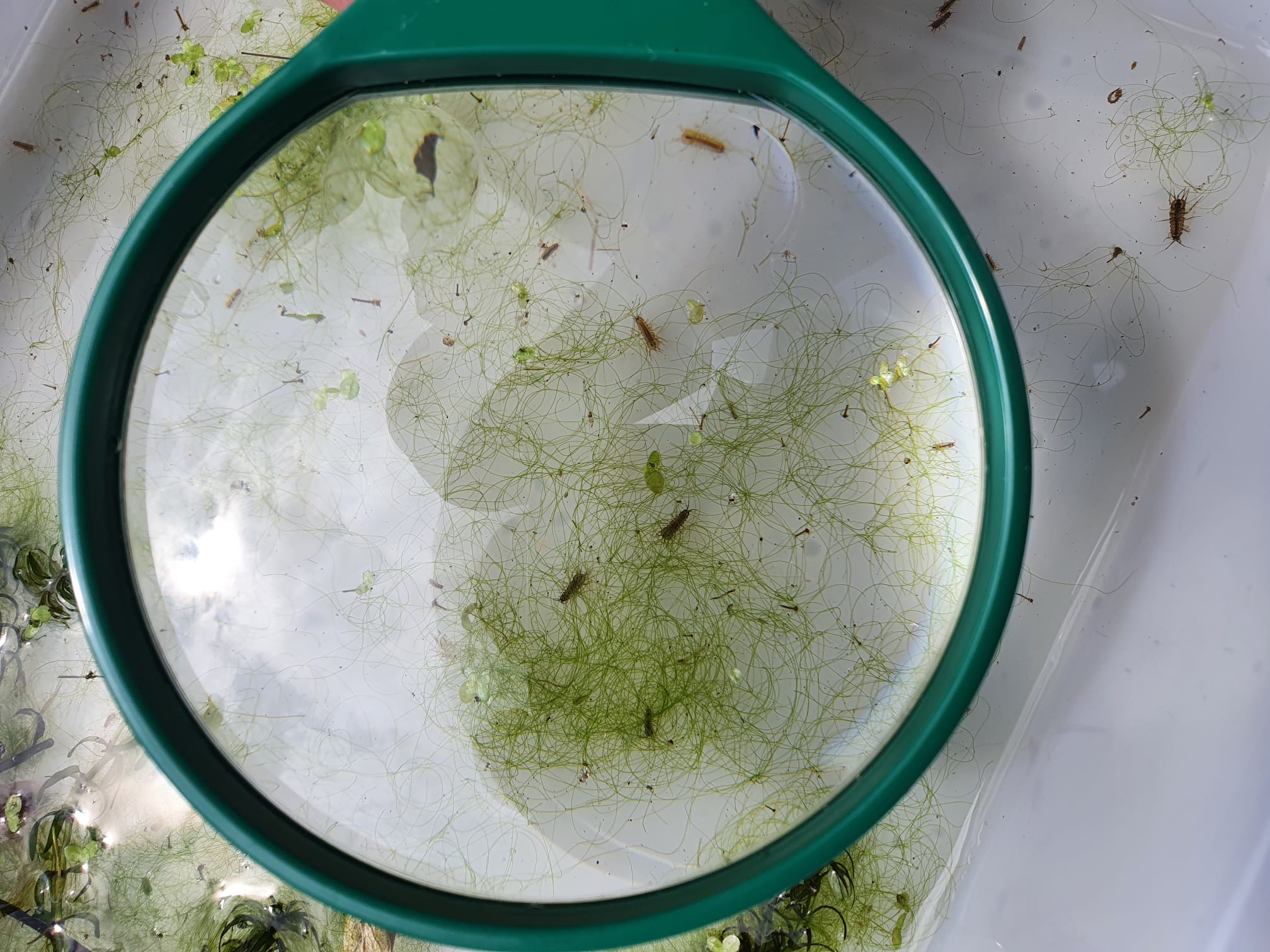
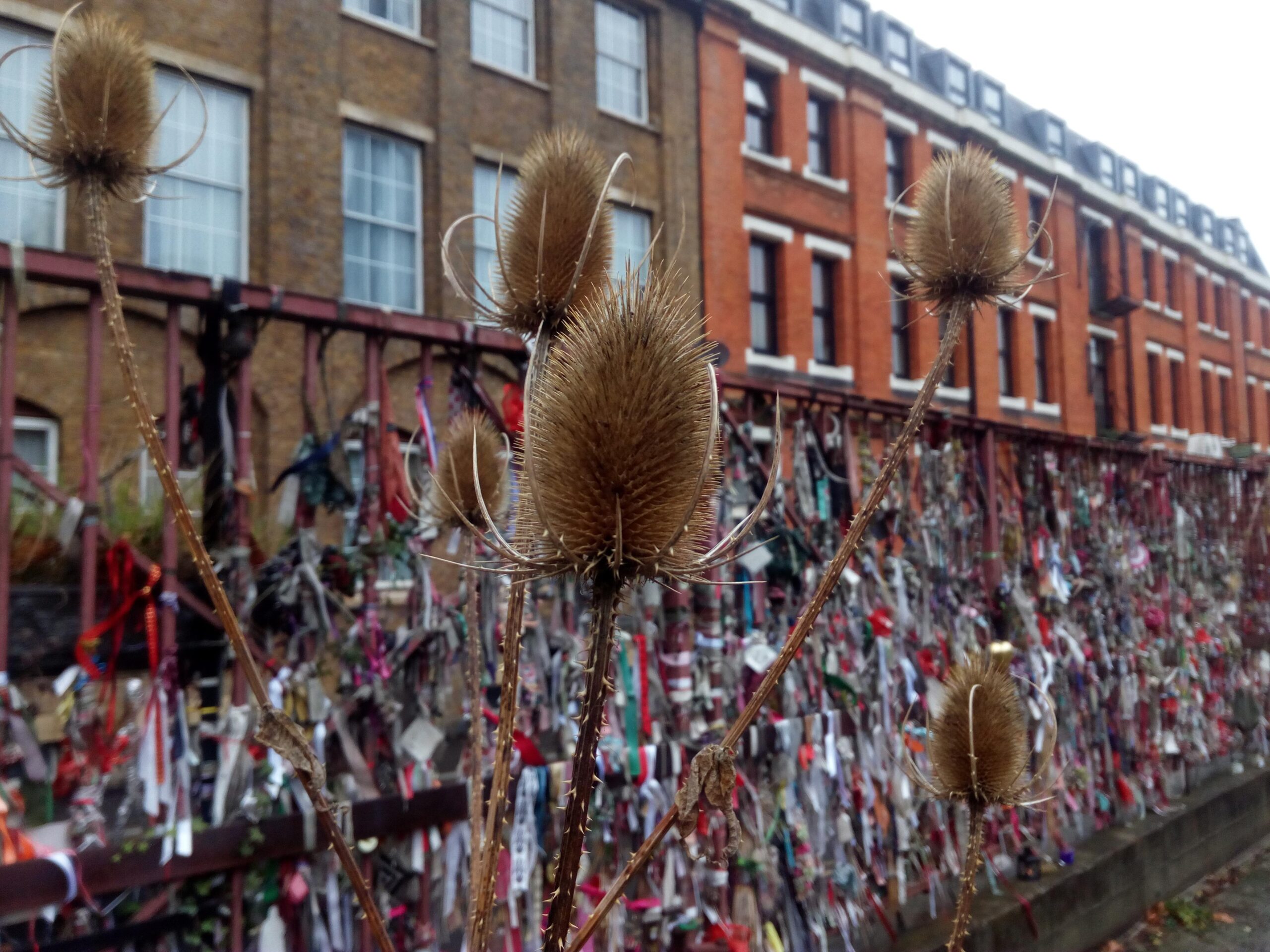
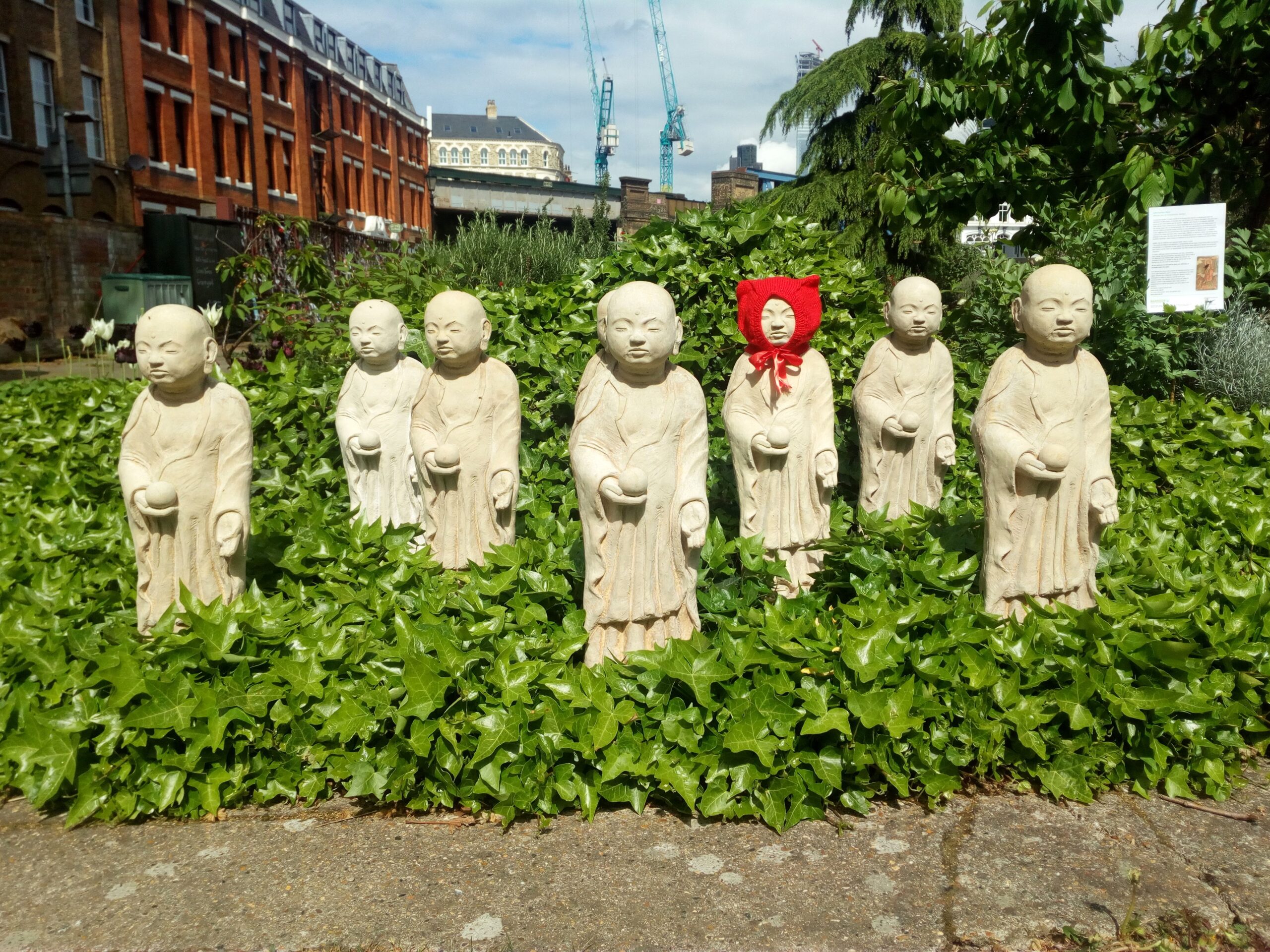
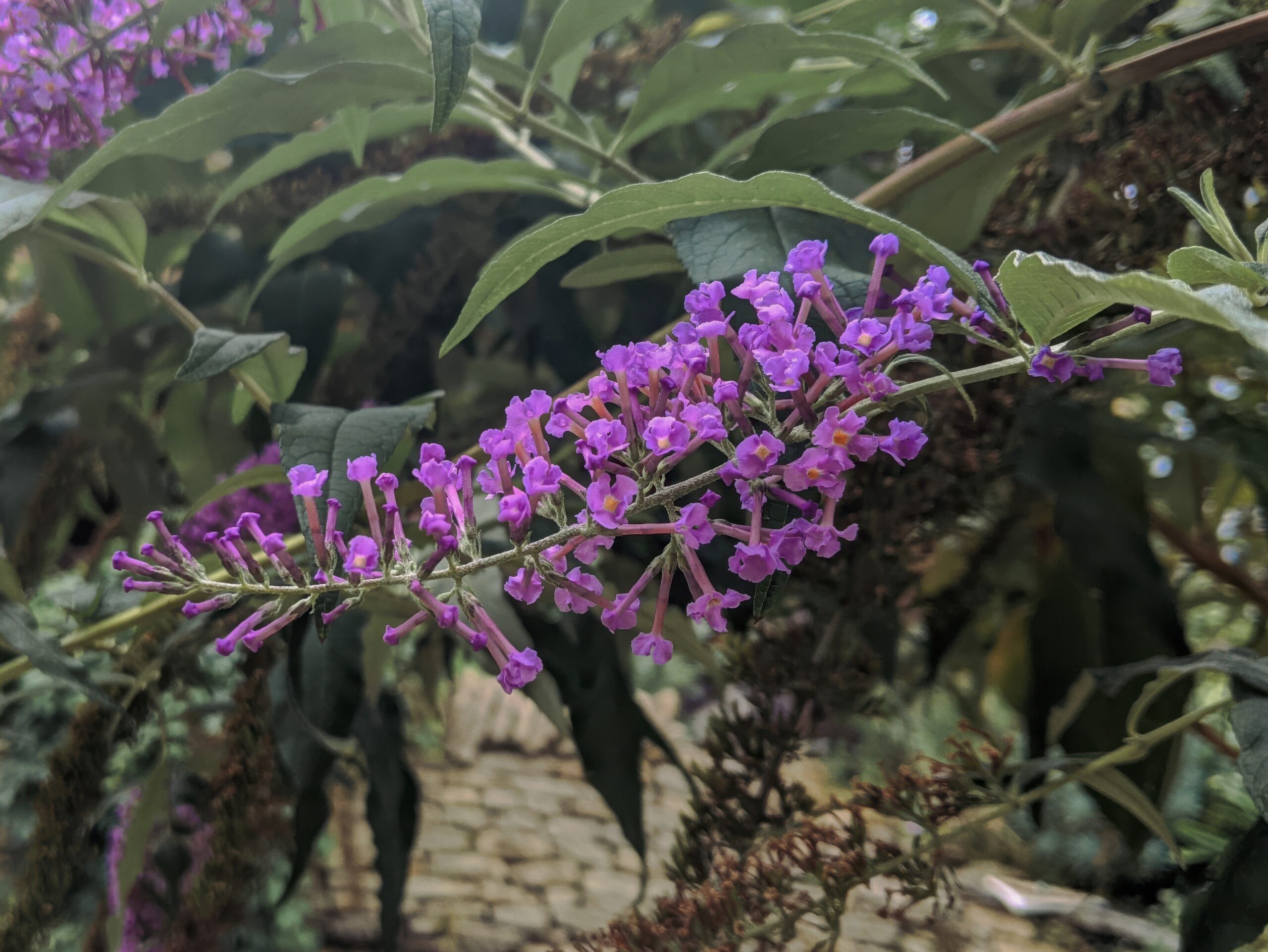
a gathering place for responses to the found objects, plants and critters of Crossbones Graveyard, Southwark
Crossbones Graveyard is a burial site just beyond the margins of the City, over the river in Southwark.
It was intensively used for poor burials between the late 17th until the mid-19th century, then known as St Saviour’s Burying Ground or the Cross Bones. A popular local tradition also links the burial ground with a Single Women’s Churchyard, an unconsecrated burial site for the women who worked in Southwark’s medieval brothels.
Having been redeveloped and eventually left to post-industrial ruin in the years after its closure, the fact that Crossbones was a burial ground had been largely forgotten by the 1990s, when Transport for London purchased the site. As thousands of bodies were exhumed to make way for the electricity substation that would power the Jubilee Line, local people began a concerted effort to prevent further development of the burial site.
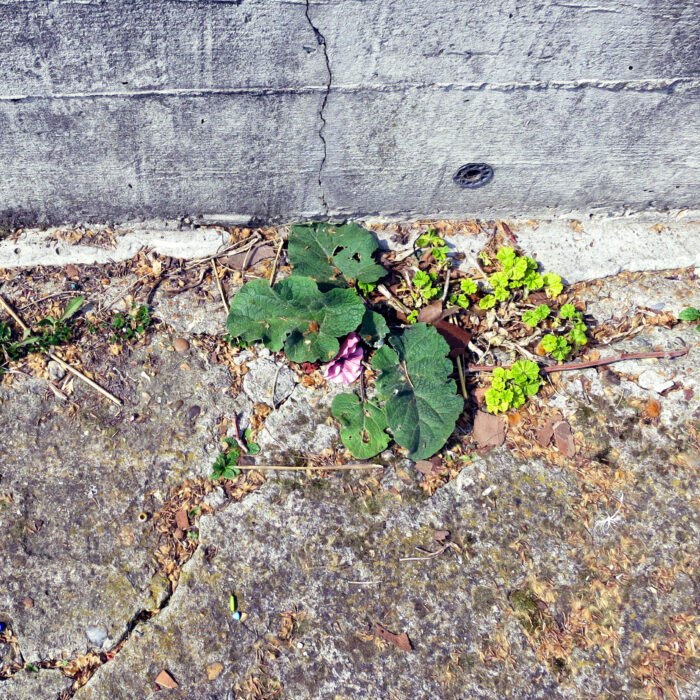
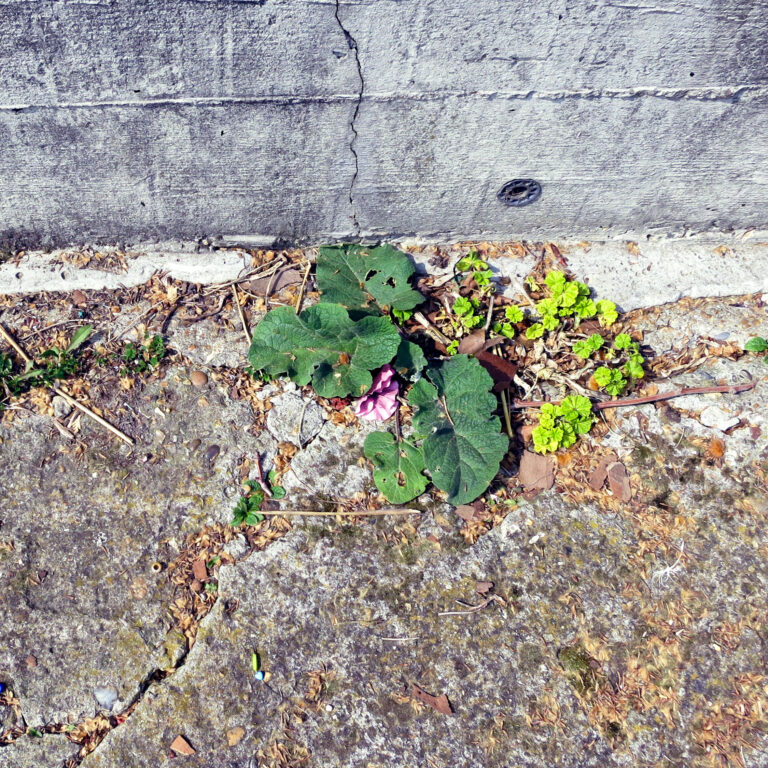
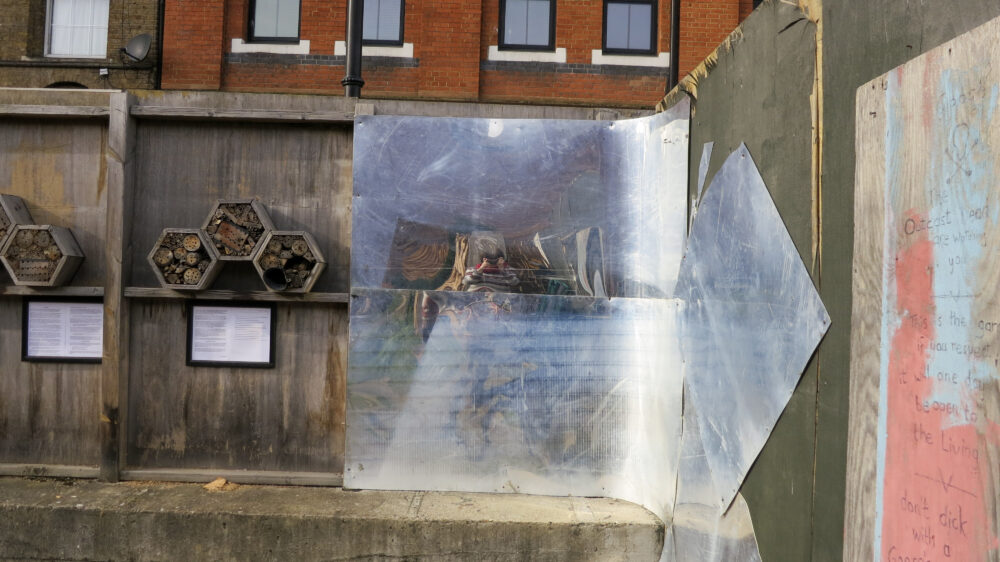
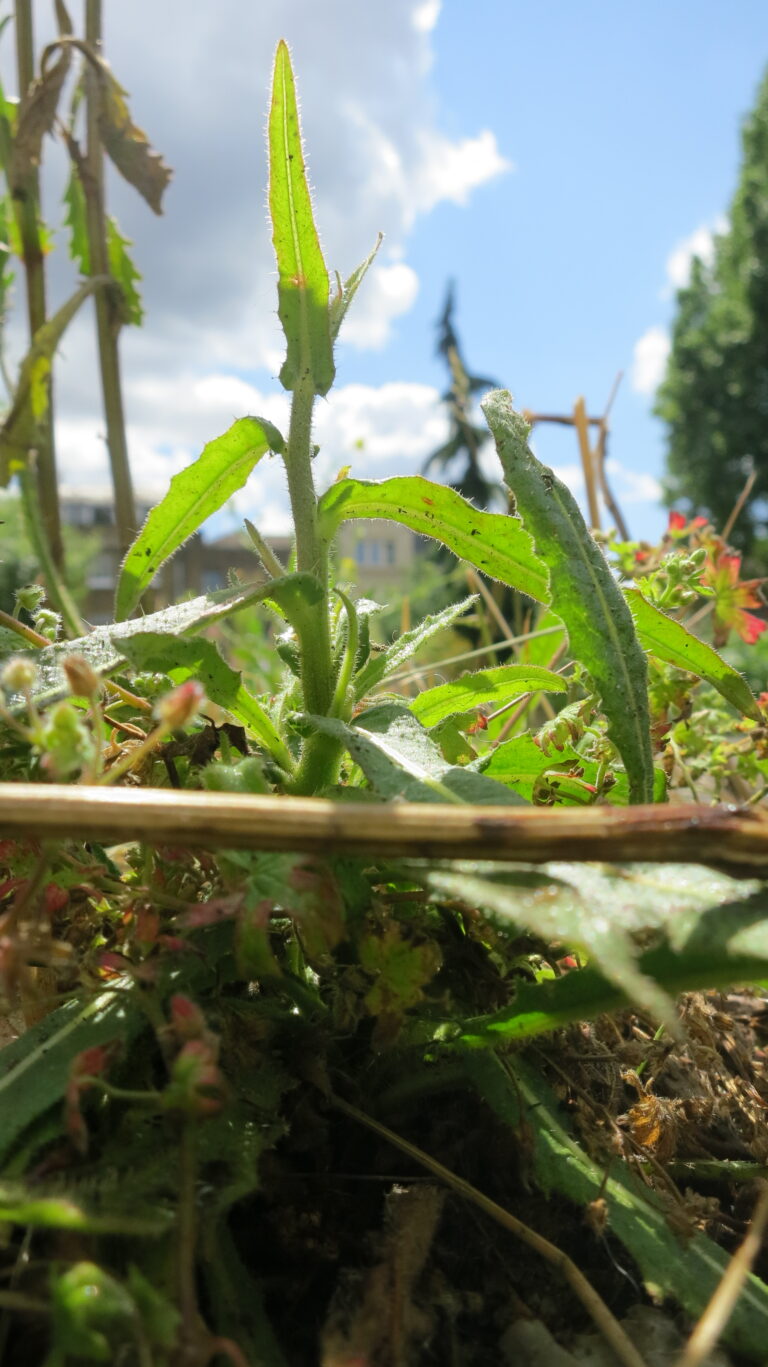
While the site was strewn with industrial debris, local plants and wildlife began to make a home at Crossbones. The ecological opportunities provided by those early pioneer species have since been nurtured by activists and community gardeners. Thanks to a sustained campaign by local people, the ‘wild’ garden for ‘the Outcast Dead’ is now established as a longer-term memorial.
Crossbones Graveyard is a burial site just beyond the margins of the City, over the river in Southwark.
It was intensively used for poor burials between the late 17th until the mid-19th century, then known as St Saviour’s Burying Ground or the Cross Bones. A popular local tradition also links the burial ground with a Single Women’s Churchyard, an unconsecrated burial site for the women who worked in Southwark’s medieval brothels.
Having been redeveloped and eventually left to post-industrial ruin in the years after its closure, the fact that Crossbones was a burial ground had been largely forgotten by the 1990s, when Transport for London purchased the site. As thousands of bodies were exhumed to make way for the electricity substation that would power the Jubilee Line, local people began a concerted effort to prevent further development of the burial site.
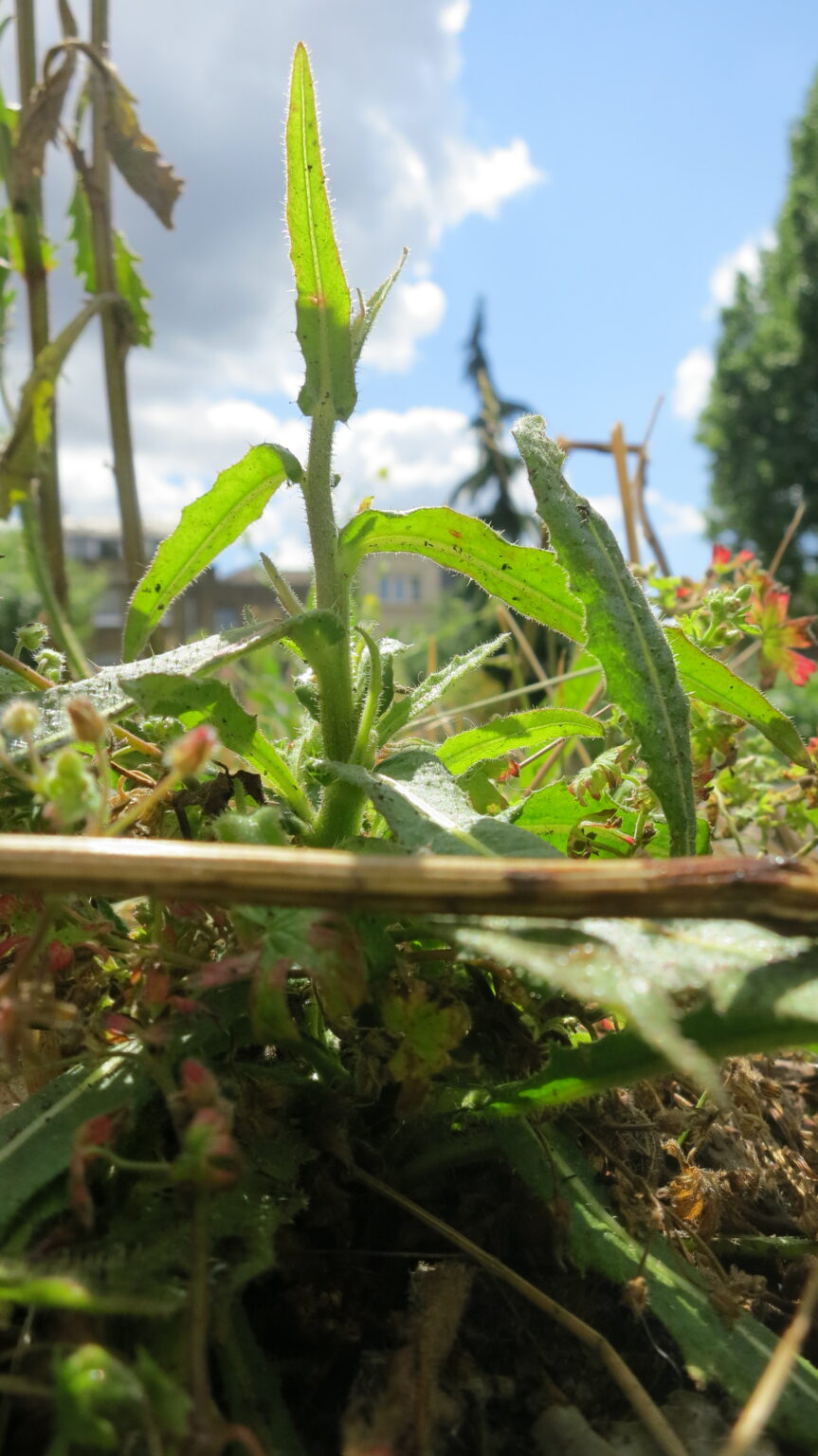
While the site was strewn with industrial debris, local plants and wildlife began to make a home at Crossbones. The ecological opportunities provided by those early pioneer species have since been nurtured by activists and community gardeners. Thanks to a sustained campaign by local people, the ‘wild’ garden for ‘the Outcast Dead’ is now established as a longer-term memorial.
CUTTINGS
This blog is based on research conducted under the shadow of Crossbones’ impending transition to a longer-term memorial.
While hard won, the redesign will bring an end to one chapter as another begins. Something will be gained and lost, and this blog looks to create a testament to the ‘something’ we stand to lose, creating an archive of the burial ground in the knowledge it is constantly slipping away. Inspired by the cracks in Crossbones’ surface, this blog looks to follow small details that might otherwise slip through the cracks of history.
This blog is based on research conducted under the shadow of Crossbones’ impending transition to a longer-term memorial.
While hard won, the redesign will bring an end to one chapter as another begins. Something will be gained and lost, and this blog looks to create a testament to the ‘something’ we stand to lose, creating an archive of the burial ground in the knowledge it is constantly slipping away. Inspired by the cracks in Crossbones’ surface, this blog looks to follow small details that might otherwise slip through the cracks of history.
This blog is convened by Hannah Reeves. Hannah is an artist-researcher with a longstanding interest in human/nonhuman mingling in urban landscapes. Her PhD research on Crossbones Graveyard (with Birkbeck, University of London) considered what kind of ethical responses to the dead are possible at the surface of the burial ground, when the details of who lies beneath are murky and fragmented. You can follow Hannah on LinkedIn and Instagram.