About this project
Over winter 2025–2026, a group of eight volunteers at Crossbones Graveyard took part in a journalling activity exploring community wellbeing. Guided by prompts inviting curiosity about the site through the senses and body awareness, journallers reflected individually on their volunteering sessions. Together, they have generated a body of community research, tracking their interactions with the site through time.
At the outset of the project in late October 2025, journallers received a pack containing tape, stickers, and a range of drawing and writing materials, along with a set of instructions, a grounding exercise, and six prompt cards. The grounding exercise invited them to pause, notice their breath, and tune into their sensory environment. Each prompt was designed to gently guide reflection without prescribing how journalling should look, inviting journallers to write, doodle, or collage according to their preference.
The prompts were organised around six sensory and somatic lenses: body, scent, sound, tactility, vision, and cohabitation. Click here to view the prompts.
Journallers were encouraged to spend 5 to 20 minutes with their journal after their volunteering sessions, choosing whichever prompts felt most relevant or interesting that day. There was no expectation to engage with every prompt every time; instead, participants were invited to follow their own curiosity.
In February 2026, journallers returned their completed journals to the research team (Hannah Reeves and Casper Sanderson), who scanned and prepared them for the next stage of the project. Photocopied highlights from the journals were then brought to a collaborative collage session held in March 2026.
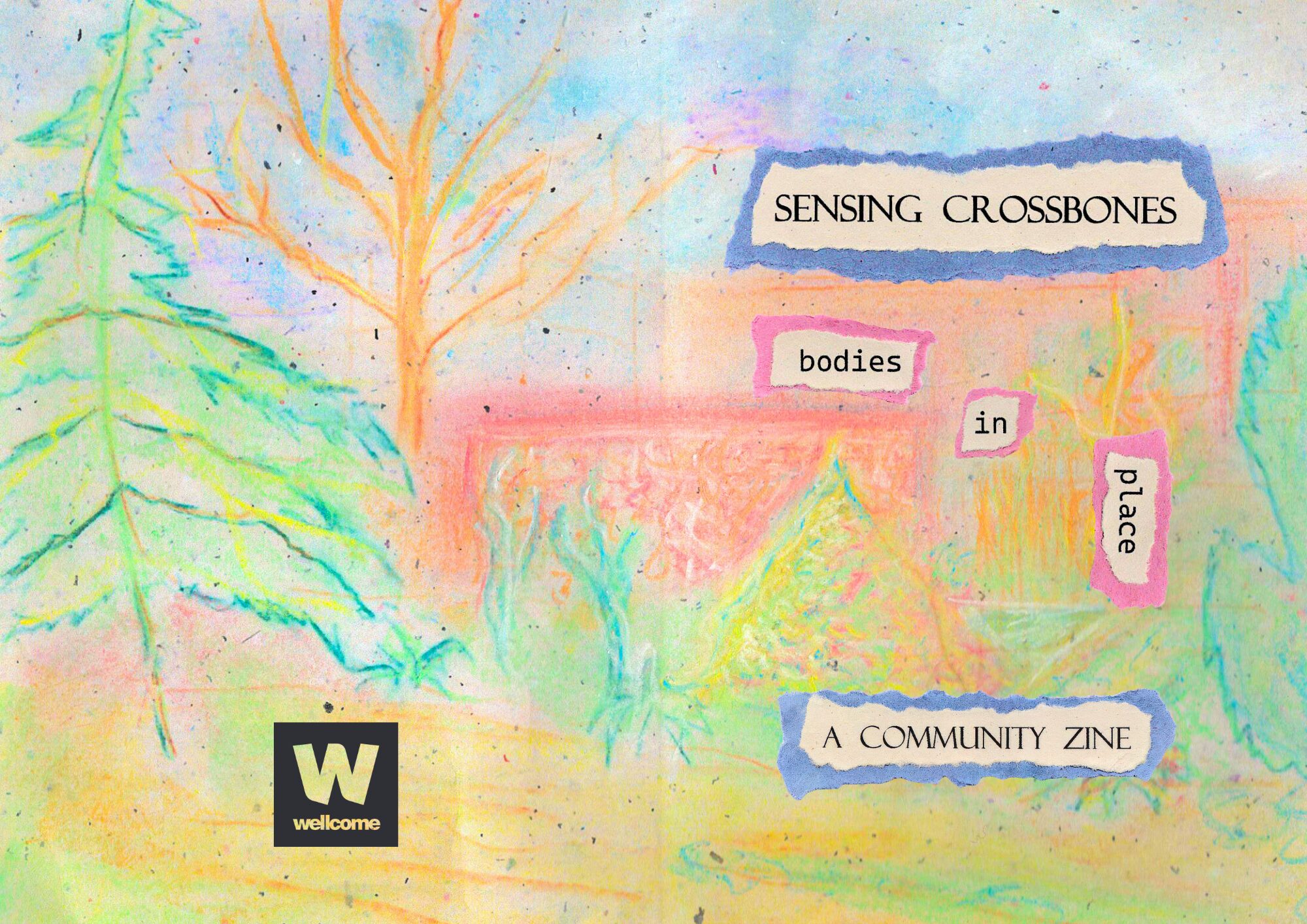
The session was an opportunity to come together, reflect on the project, and notice the connections between the journals that were beginning to surface through the pages. We worked together to compile a community zine, which you can view by clicking here.
Or click here for a screen reader-friendly transcript.
Themes
- Echoes – the past echoing through the present as awareness of the dead and the resurfacing of personal memories
- Persistence – awareness of the passage of time through the unfolding of the seasons and continuity of the burial ground
- Reciprocity – finding meaning and enjoyment in caring for the site and contributing to the community
- Belonging – taking comfort and finding kinship in a familiar, shared sensory landscape
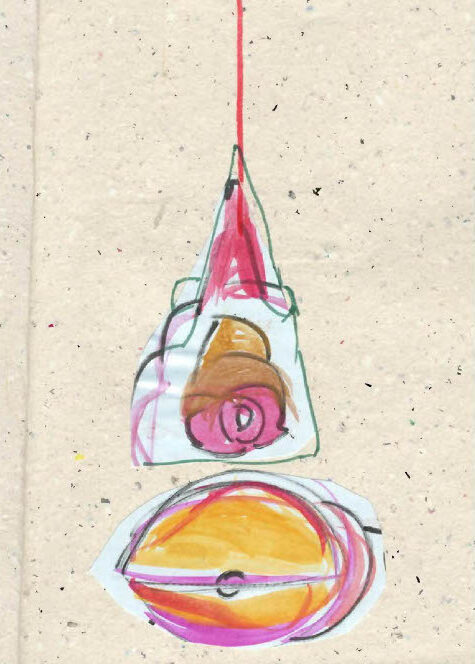
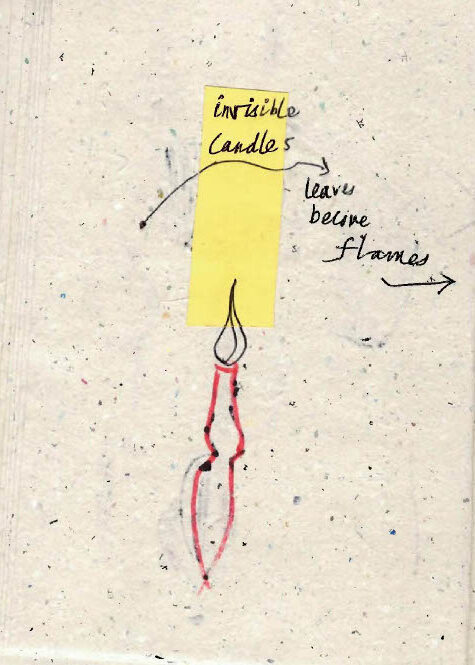
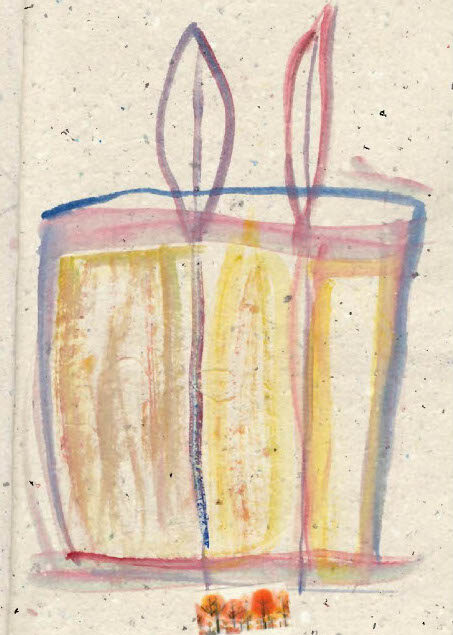
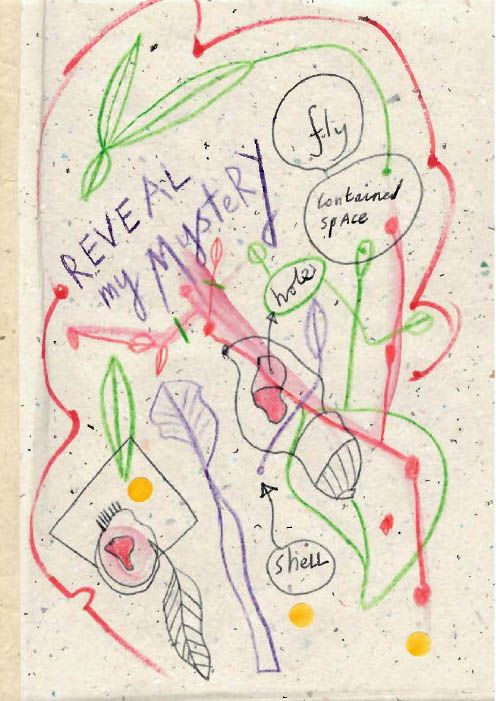
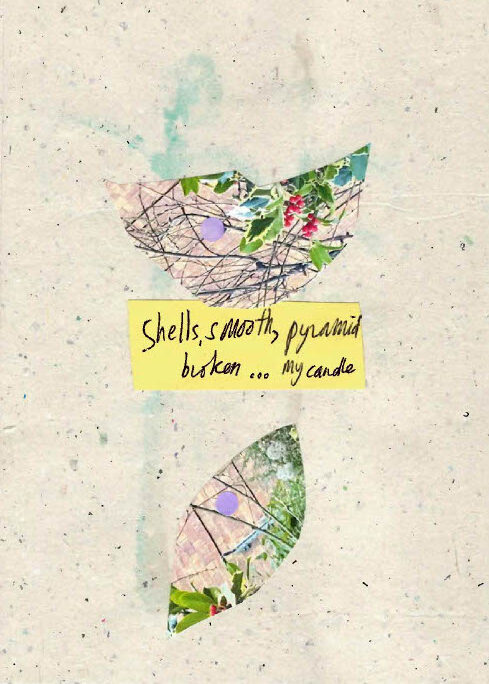
The journals themselves contained a rich mix of photography, collage, written notes, poetry, prose, and drawings, and the themes are expressed across these varied media.
To communicate the themes, we have:
- compiled selected text fragments from individual journals into thematic poems
- curated extracts from the journals into a visual gallery for each theme
You can read the poems and explore the galleries in the following sections.
Echoes
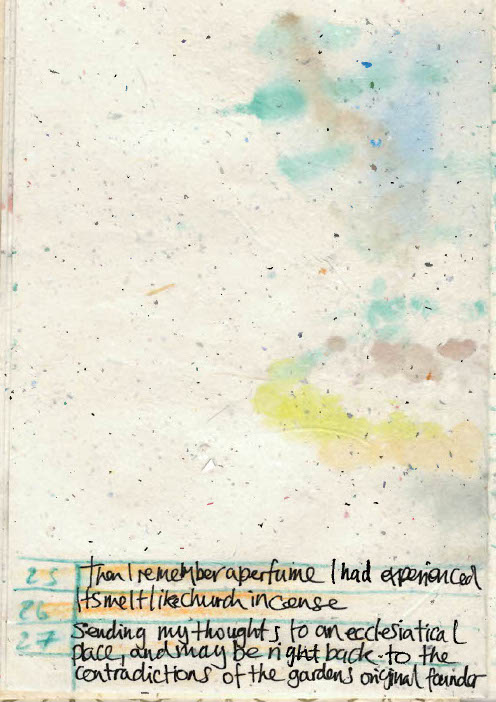
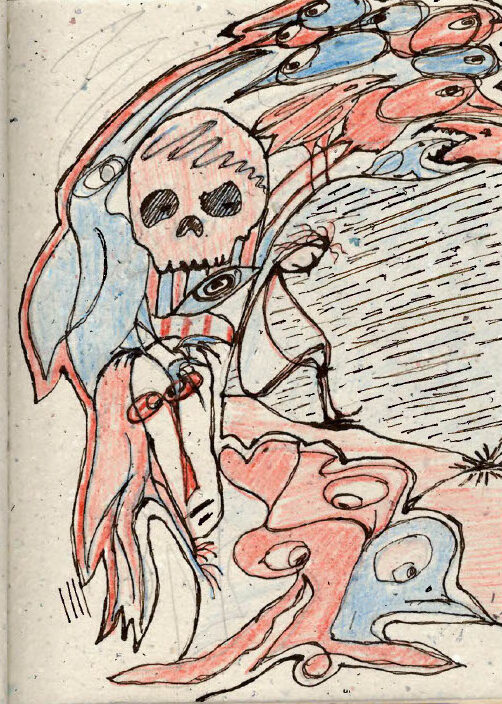
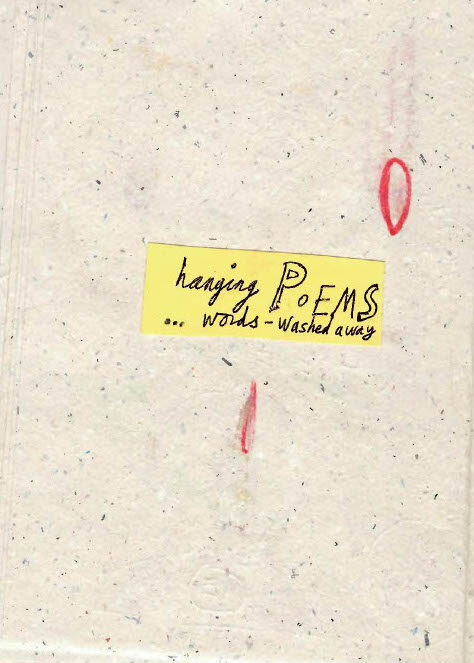
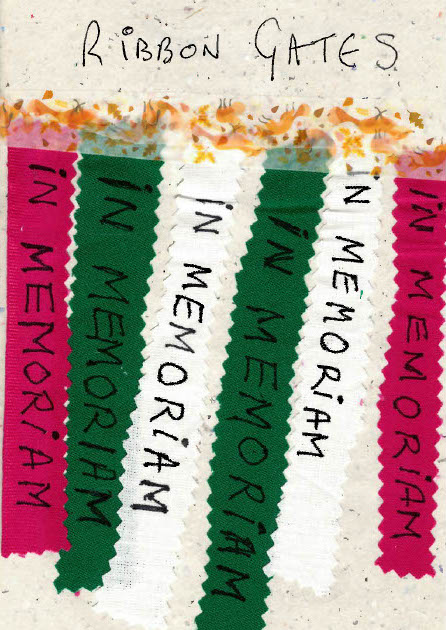
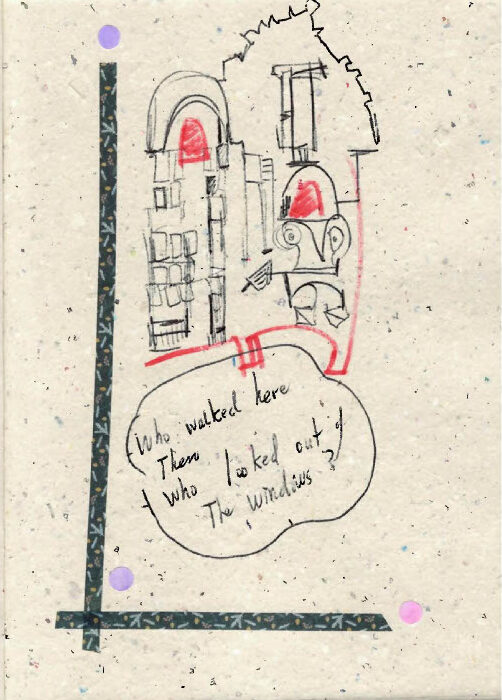
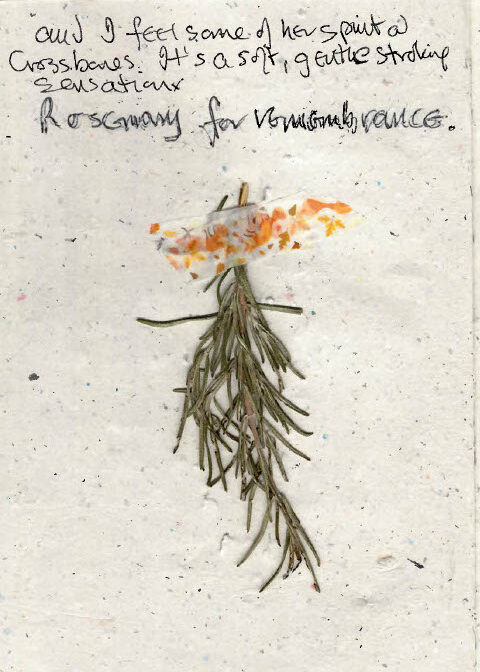
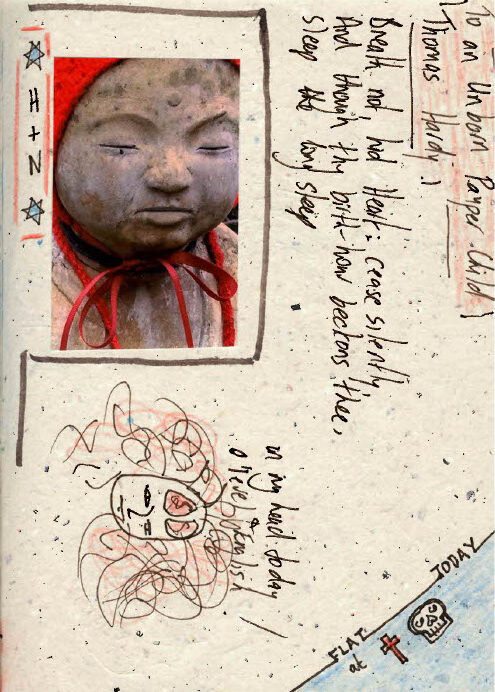
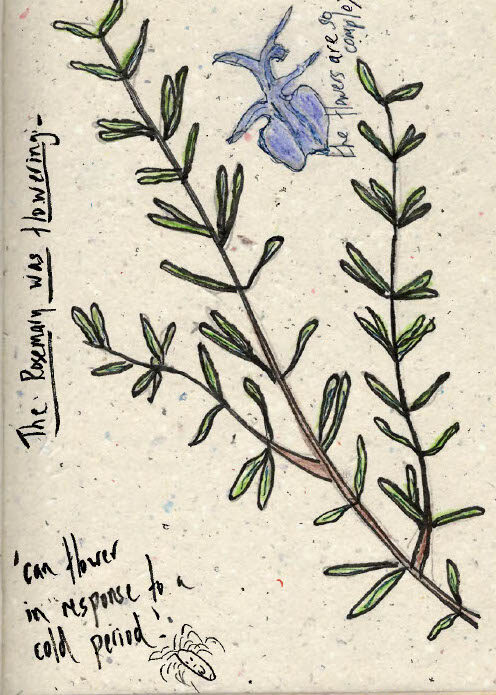
Echoes draws together moments in which the past breaks into the present through the sensory landscape of Crossbones. Journallers often described a profound awareness of the Crossbones dead or ‘residents’ below the surface, sparked by sensory input such as sound, temperature and scent. Feeling cold in the winter weather evoked empathy for the ‘poor souls dropped into their cold, cold graves,’ while the rumble of helicopters or reflections in nearby windows prompted musings on how time, technology, and the city have transformed around the burial ground. Alongside this awareness of the dead, personal memories surfaced: scents such as incense or rosemary prompted strong and sometimes uncomfortable personal recollections, as well as memories of loved ones. The breadth of responses shows that although there is a shared sense of the dead echoing through Crossbones, the past also erupts in deeply personal ways for those who tend to the site.
You can listen to the Echoes poem below, or scroll down for the text version:
Persistence
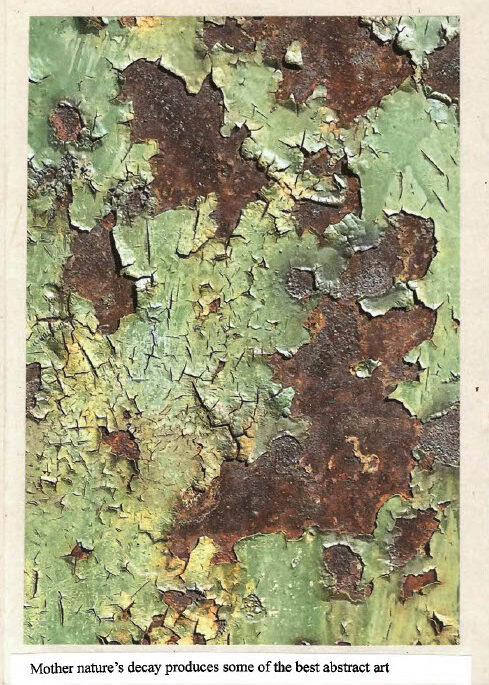
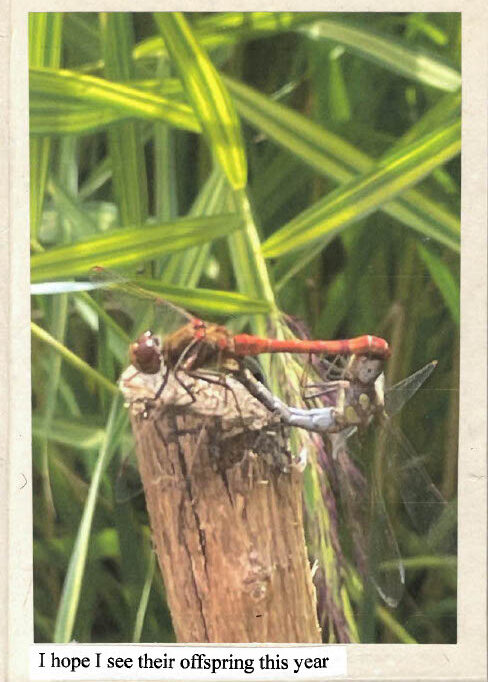
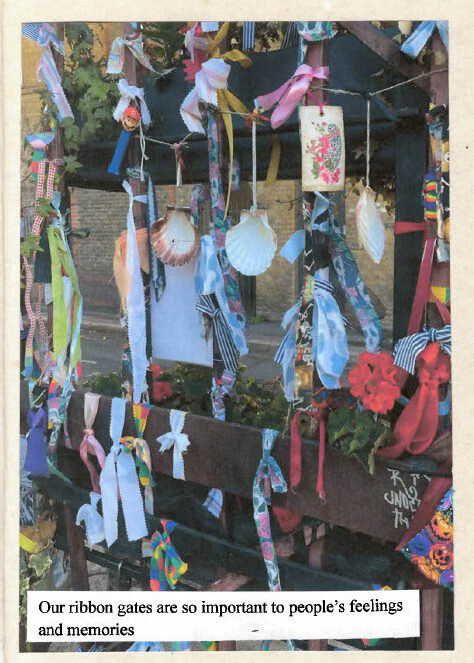
Persistence brings together reflections on continuity, seasonal change, and the cyclical rhythms that shape Crossbones. Journallers marked the passage of time through descriptions of weather, changing light, cycles of plant life, and the activities of resident animals such as mating dragonflies. These sensory details highlight the endurance of the garden and the labour involved in tending it, from clearing fallen leaves to observing the slow transformation of compost into ‘a new earthy year.’ Alongside these natural cycles, journallers described private and community rituals, such as quiet moments of meditation, or attending the annual Green Man’s Wassail on the Twelfth Night, which brought anticipation and excitement for the year ahead. The shrines across the site appear in journals as photographs and drawings of the Redcross Mary shrine, the Mizuko Jizō statues, and the ribboned gates. Across their responses, journallers presented Crossbones as in continual flux as incremental changes accrued. Their responses suggest that persistence is experienced through natural cycles together with the ongoing human commitment to tending, witnessing, ritualising and returning.
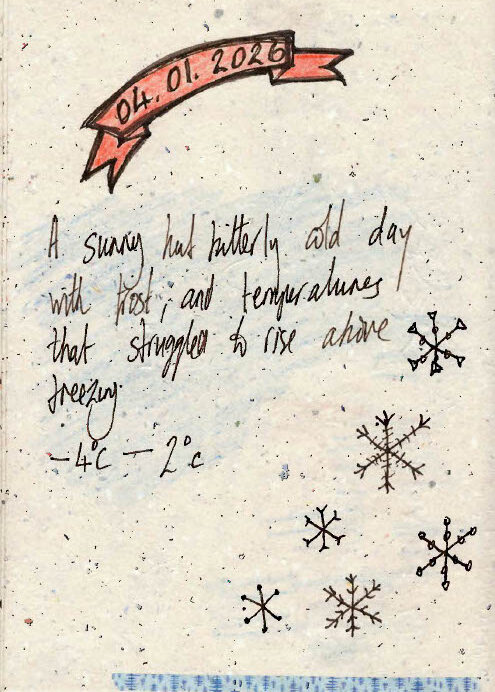
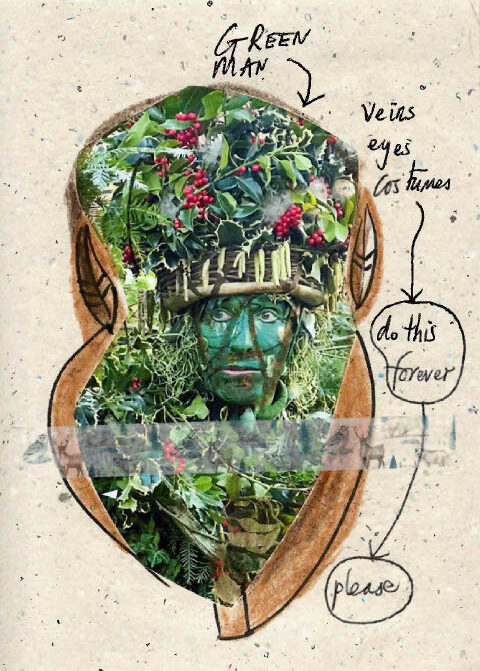
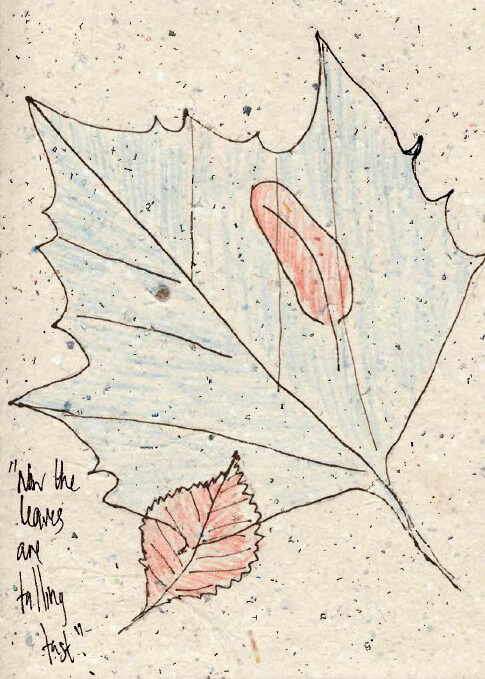
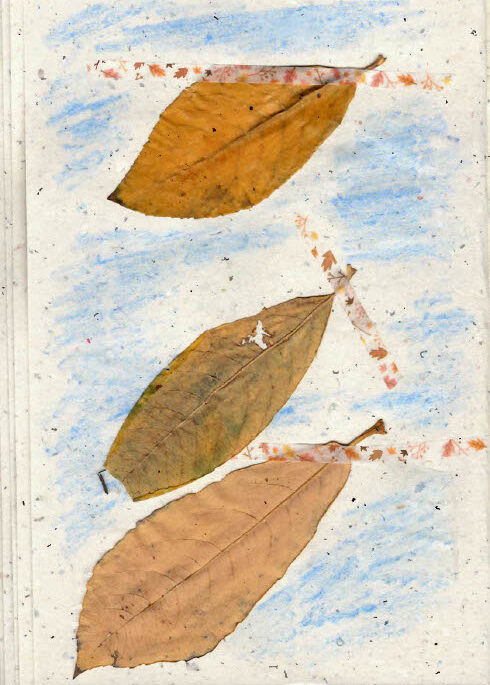
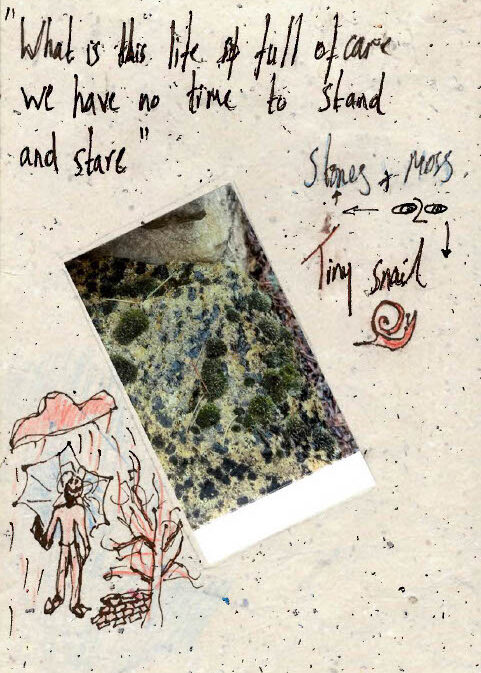
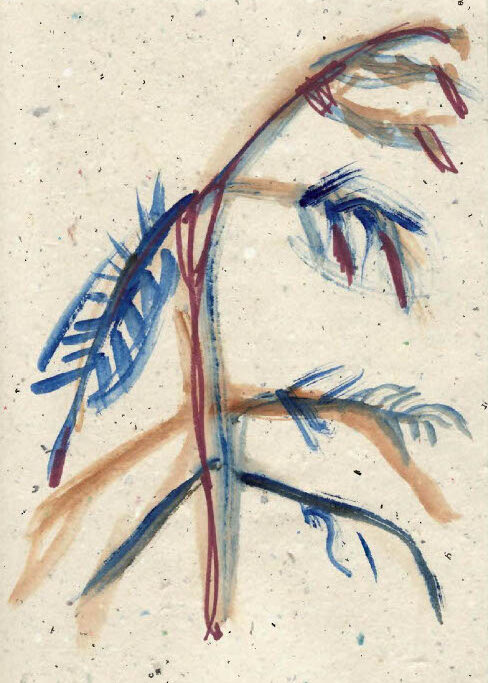
Swipe to view the Persistence gallery
Persistence (audio):
Persistence (text):
Reciprocity
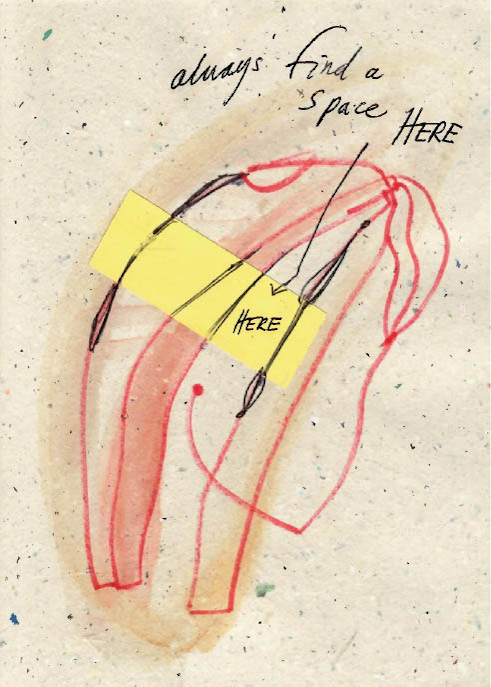
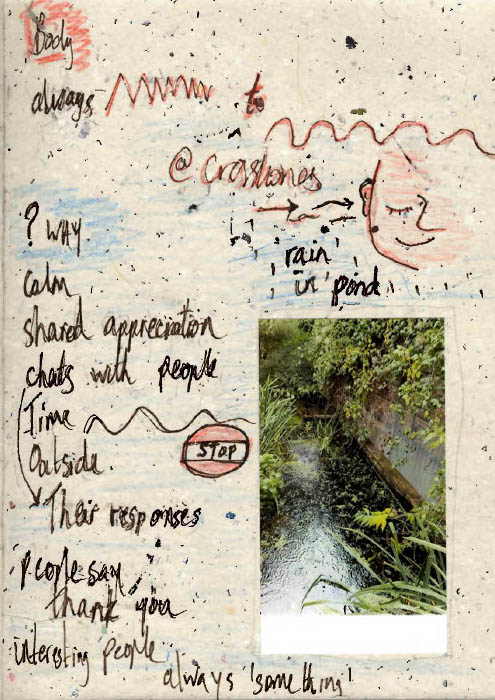
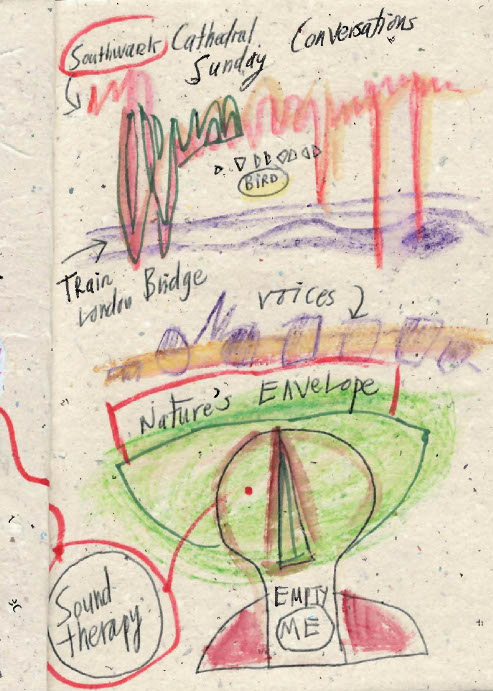
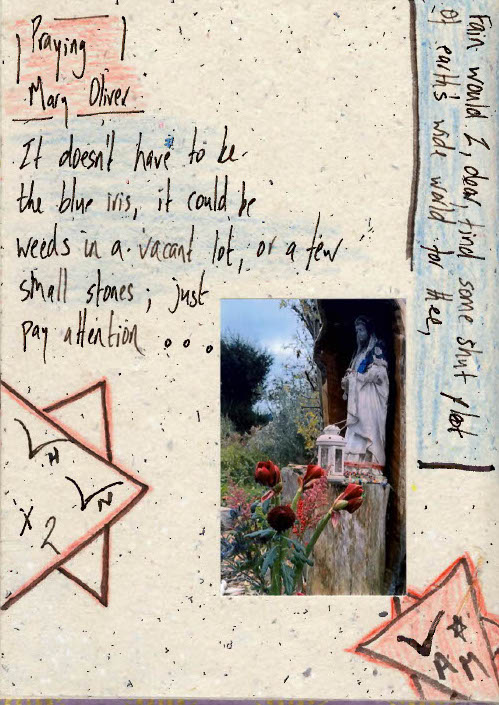
Reciprocity speaks to the mutual exchange between journallers and the garden, linking the labour of their volunteering activities with feelings of curiosity, aliveness, and sensory pleasure. Crossbones, the journallers suggest, offers calm and space for contemplation, while also inviting sustained, meaningful contribution: sweeping leaves, clearing litter, maintaining compost areas, or tending to plants. These activities presented opportunities to deepen connection, sharpen attention, and notice the garden’s subtle movements and inhabitants. Journallers described meeting visitors and educating them about the burial ground, noting that visitors often expressed gratitude for their volunteering work. The encounters journallers had while volunteering – with visitors, plants, wildlife, shrines, and the Crossbones dead – inspired a sense of shared presence and responsibility. The garden offers beauty, stimulation, calm, and connection, while volunteers practice their gratitude through acts of witnessing, passing on its stories, and the ongoing labour of maintenance and repair.
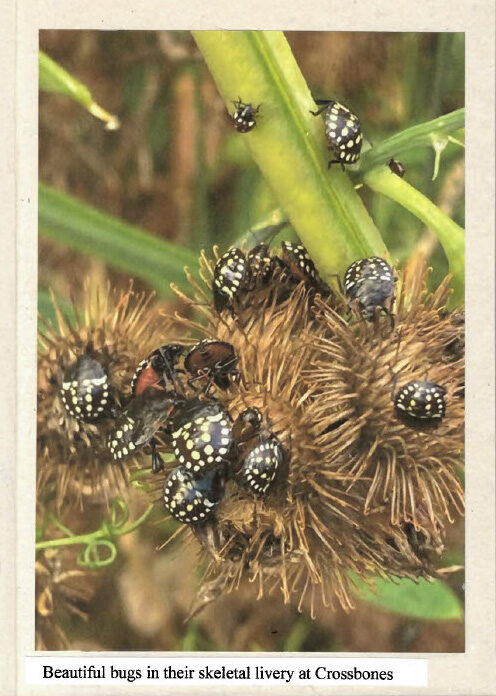
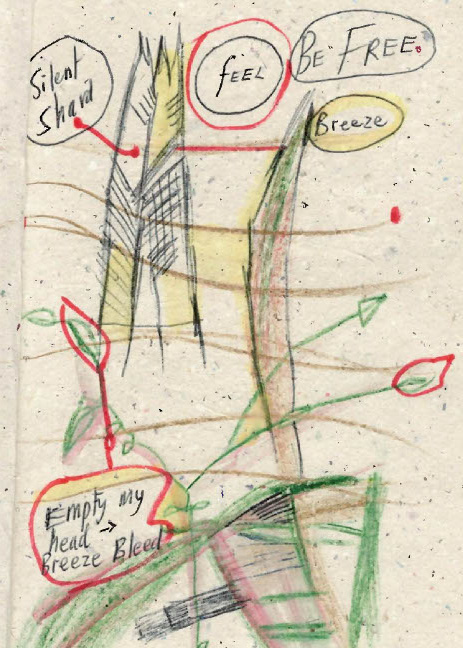
Swipe to view the Reciprocity gallery
Reciprocity (audio):
Reciprocity (text):
Belonging
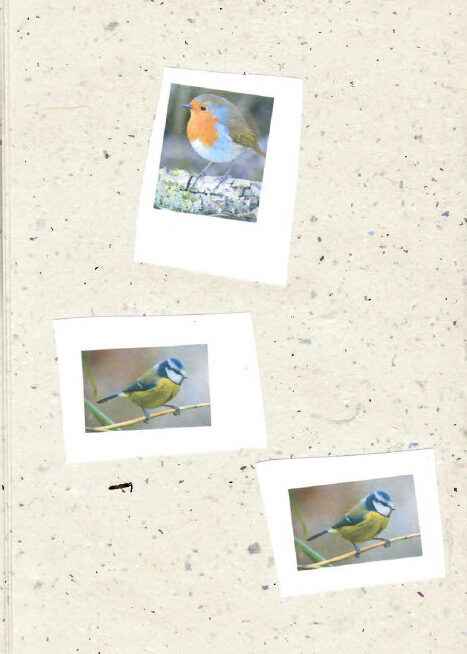
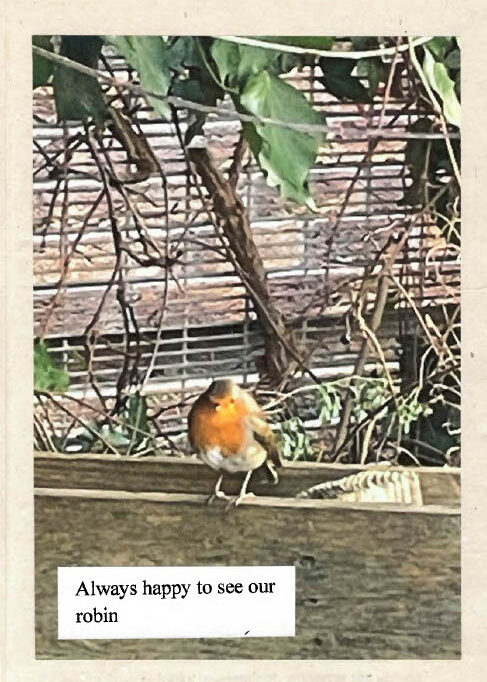
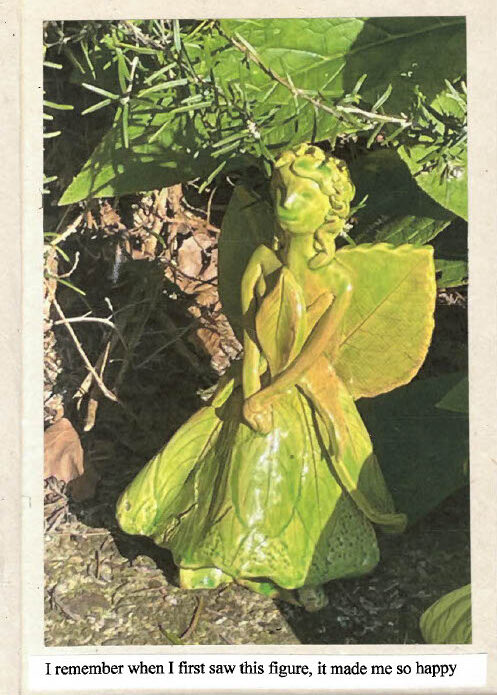
Belonging frames Crossbones as a source of comfort and connection, articulated through intergenerational kinship and the familiarity of the sensory landscape. Journallers presented Crossbones as a place where recurring sights, sounds and scents – raindrops sparkling on leaves, the rattle of the gate chains, the rhythm of passing trains, the scent of Coronilla Valentina at the entrance – produce a sense of belonging to the landscape. Community shrines (‘our ribbon gates’) and familiar animals (‘our robin’) appear repeatedly, cohering observations made by different observers on different occasions. Moments of connection were documented as warm conversations with visitors, sharing tasks with fellow volunteers, chatting over cookies and under umbrellas. Journallers highlight a strong sense of community, while also acknowledging that their experience of this is mediated by their specific identities and histories.
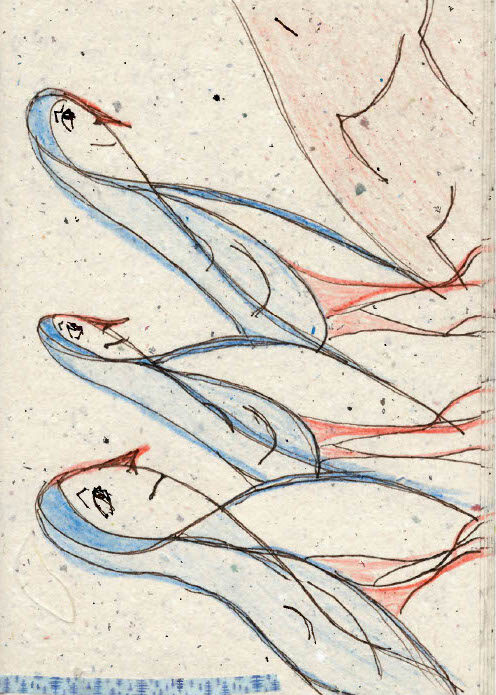
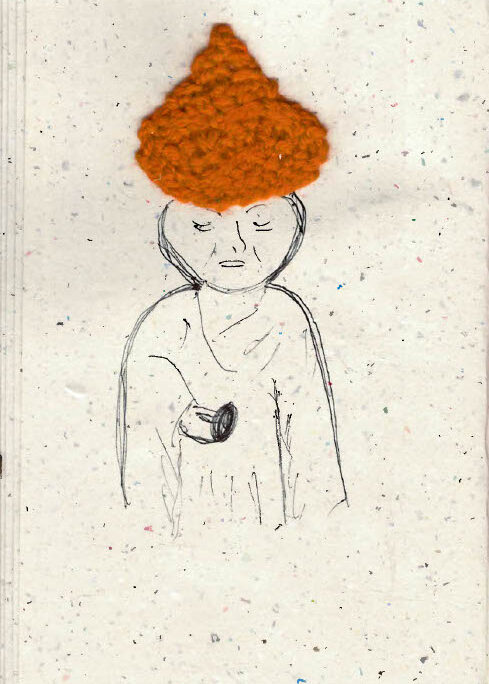
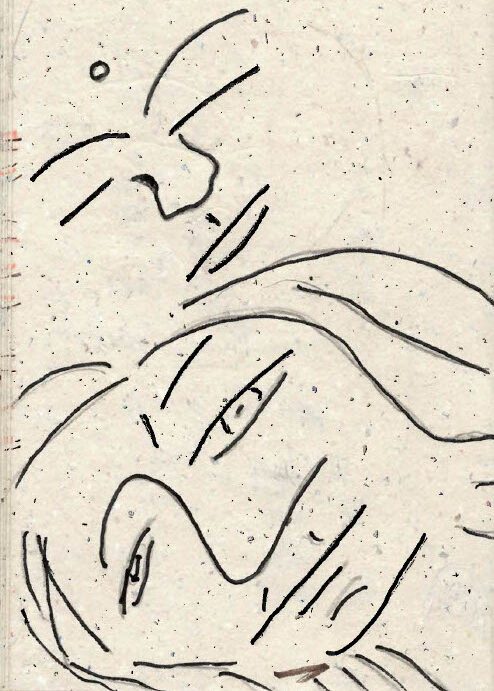
Swipe to view the Belonging gallery
Belonging (audio):
Belonging (text):
Acknowledgements
Huge thanks to Michael Church, Caroline Grimshaw, Stephen Mugford, and all of our journallers for their contributions to this project.
The project was based at Birkbeck, University of London’s School of Social Sciences, led by Hannah Reeves (Research Fellow) with support from Casper Sanderson (Research Communication Assistant).
This project was generously funded by the Wellcome Trust [228089/Z/23/Z] via Birkbeck’s Institutional Funding for Research Culture.